Health
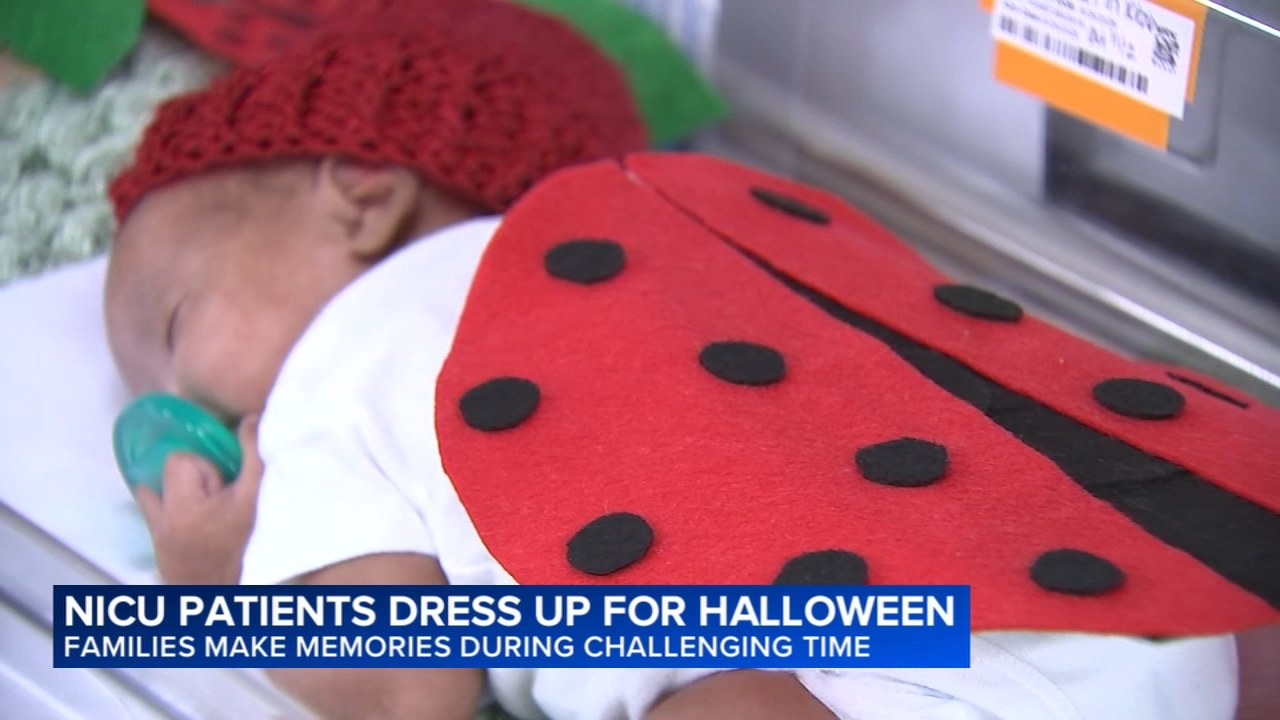
Halloween costumes bring farmyard fun to Loyola University Medical Center NICU babies
By Nick Martinez
Advertisement · Why this ad?
Nick Martinez is a public health reporter who earned his Master’s in Public Health from the University of Chicago. Having previously worked with ProPublica, he focuses on health equity issues affecting the Chicago community.
More from Nick →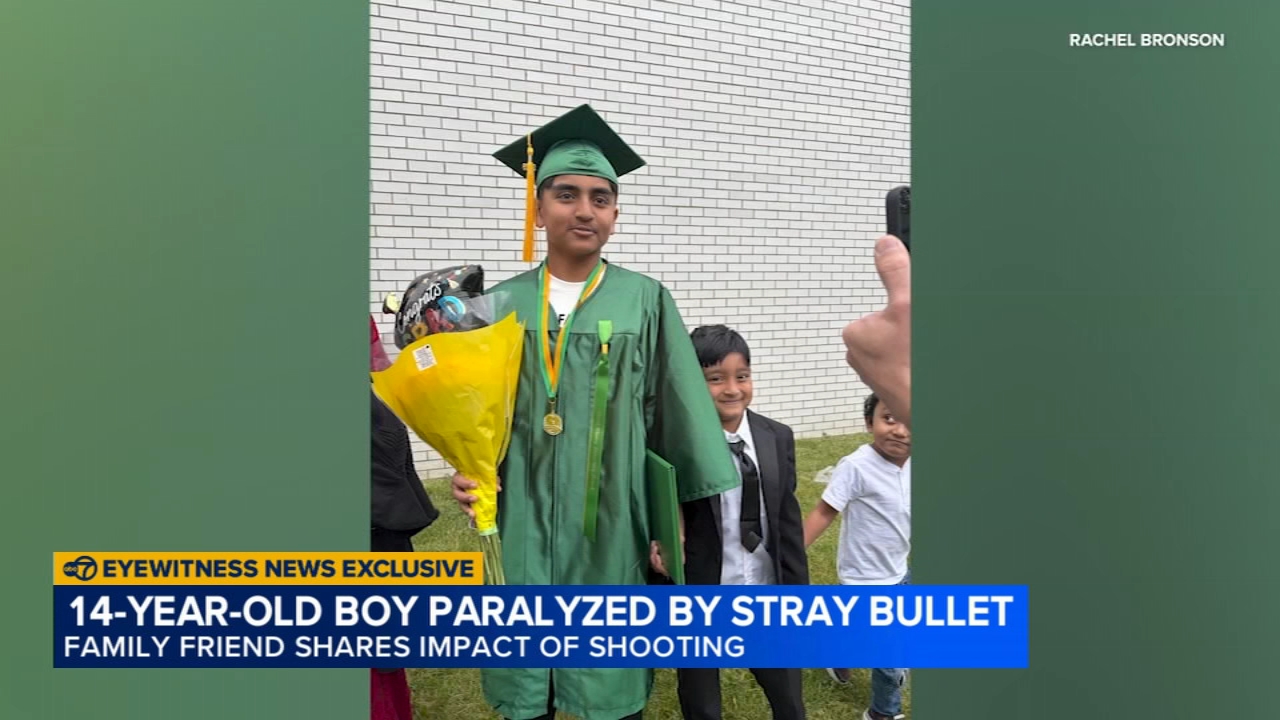
In a quiet corner of Chicago's North Side, the life of 14-year-old Anas took a tragic turn when a stray bullet struck him. Now, nearly a month later, he lies in a hospital bed, facing an uncertain future, a stark reminder of the indiscriminate nature of urban violence. This young refugee, who sought safety and a new beginning in America, is now grappling with a devastating injury that has forever altered his path.
Anas remains hospitalized at Lurie Children's Hospital, paralyzed by a stray bullet that struck him nearly four weeks ago during a shooting on the North Side. The incident, which occurred on July 10, 2024, at approximately 11:30 PM in the 4600 block of North Broadway in the bustling Uptown neighborhood, has left the teenager with a severe spinal cord injury, resulting in permanent paralysis. His journey to recovery will be long and arduous, demanding immense resilience from him and unwavering support from his family and community.
The evening of July 10th began like any other for Anas, a young man navigating the complexities of a new culture and striving for a brighter future in Chicago. He was in the 4600 block of North Broadway, an area known for its vibrant community life, when gunfire erupted. A stray bullet, not intended for him, found its mark, instantly changing his life and sending shockwaves through the neighborhood.
The immediate aftermath saw Anas rushed to Lurie Children's Hospital, where medical professionals have been working tirelessly to stabilize his condition. The diagnosis of a spinal cord injury leading to permanent paralysis is a heavy burden for anyone, let alone a 14-year-old boy. This tragic event underscores the pervasive challenge of gun violence that continues to plague parts of our city, often impacting the most vulnerable and innocent.
For Anas and his family, who arrived in the United States as refugees seeking peace and opportunity, this incident is a cruel twist of fate. They had envisioned a life free from the dangers they left behind, only to find themselves confronting a different kind of peril in their new home. Their hope for a stable, secure future has been overshadowed by the immense emotional and financial strain of this unexpected tragedy.
Anas's recovery will be an extensive and challenging process, requiring dedicated physical therapy, occupational therapy, and significant emotional support. His medical team at Lurie Children's Hospital is focused on providing the best possible care, but the long-term implications of his injury are profound. He will face a lifetime of adjustments, learning to navigate the world from a new perspective, a testament to the human spirit's capacity for adaptation.
The financial burden associated with such a catastrophic injury is staggering. The costs of long-term care, specialized equipment, ongoing therapies, and potential home modifications will be significant, placing immense pressure on his family. These are expenses that few families are prepared for, especially those who are still establishing themselves in a new country. The community's compassion and generosity will be vital in alleviating some of this strain.
Anas's family remains a constant presence by his bedside, their hope and fear palpable in the hospital corridors. Their unwavering dedication reflects the deep bonds that hold families together, especially in times of profound crisis. In the face of such adversity, the strength of committed family units becomes a beacon, providing the essential emotional and spiritual foundation needed to endure unimaginable challenges.
This situation highlights the critical role of strong family structures in supporting individuals through life's most difficult trials. The societal value of intact households, where love and commitment form the bedrock, is never more evident than when a loved one faces a life-altering event. Their collective resilience will be a cornerstone of Anas's journey toward healing and adaptation.
News of Anas's injury has resonated deeply within the Uptown neighborhood and across Chicago. The community has begun to rally around the young victim and his family, demonstrating the powerful spirit of solidarity that often emerges in times of need. Local residents and organizations are organizing fundraisers and collecting donations to help cover the mounting medical expenses and provide much-needed support.
Community leaders have been vocal in their calls for action and support. Alderman Leni Manaa-Hoppenworth of the 48th Ward, which encompasses the area where the shooting occurred, has expressed profound sorrow and reiterated her commitment to finding solutions to gun violence. She emphasized the need for comprehensive strategies that address both immediate safety concerns and the root causes of such tragic incidents.
The outpouring of support is a testament to Chicago's compassionate heart, where neighbors look out for one another. Organizations dedicated to youth violence prevention and refugee assistance are stepping forward, offering resources and solidarity. This collective effort provides a glimmer of hope amidst the darkness, showing Anas and his family that they are not alone in this fight.
The Chicago Police Department (CPD) has launched an intensive investigation into the shooting. Detectives are actively pursuing leads, but as of now, no arrests have been made in connection with the incident. The lack of immediate arrests only amplifies the community's frustration and fear, underscoring the urgent need for justice and accountability.
Mayor Brandon Johnson has acknowledged the ongoing challenges of gun violence in the city, reiterating his administration's commitment to public safety initiatives. However, incidents like the one that paralyzed Anas serve as a stark reminder that much work remains to be done. The call for safer neighborhoods is not just a political slogan; it is a desperate plea from families and children who deserve to live without fear.
This tragedy highlights the broader societal costs of gun violence, which extends far beyond the immediate victims. It erodes community trust, traumatizes residents, and places immense strain on healthcare and social services. Addressing this complex issue requires a multi-faceted approach, including enhanced law enforcement efforts, community-based violence interruption programs, and robust support systems for at-risk youth and families.
As Anas continues his fight for recovery, his story serves as a stark reminder of the urgent need for change in our community. It calls upon all of us – residents, leaders, and institutions – to redouble our efforts in fostering environments where every child, regardless of their background or origin, can grow up safe, healthy, and with the opportunity to pursue their dreams. The path forward demands not just empathy, but concrete, sustained action to build a more secure and hopeful future for all Chicagoans. Resources like the Chicago Department of Family and Support Services and children's advocacy groups are vital in this ongoing effort.
By Nick Martinez

By Nick Martinez

By Nick Martinez

By Tommy Nguyen