Community
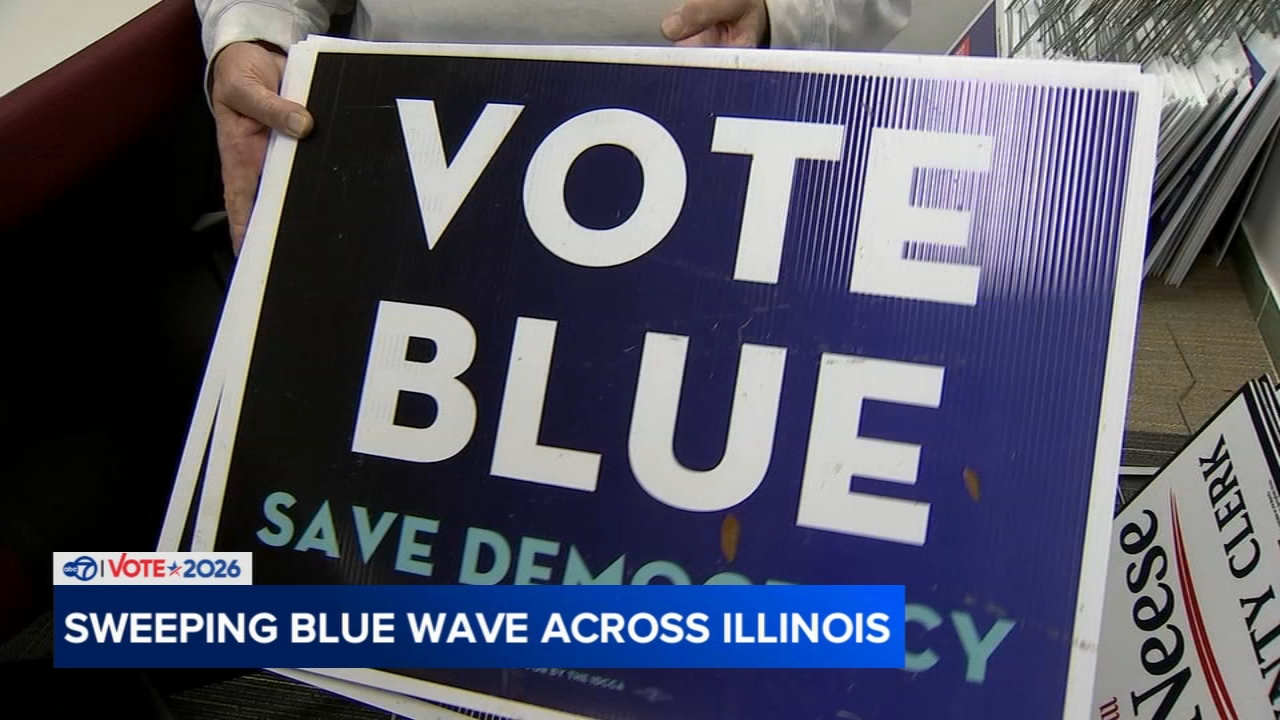
Democrats celebrate gains in McHenry County as Republicans assess losses across Illinois
By Mark Thompson
Advertisement · Why this ad?
Mark Thompson has spent over a decade highlighting community stories across Chicago. He graduated from Northwestern University and has contributed to various local outlets, including Chicago Reader, focusing on grassroots initiatives and neighborhood developments.
More from Mark →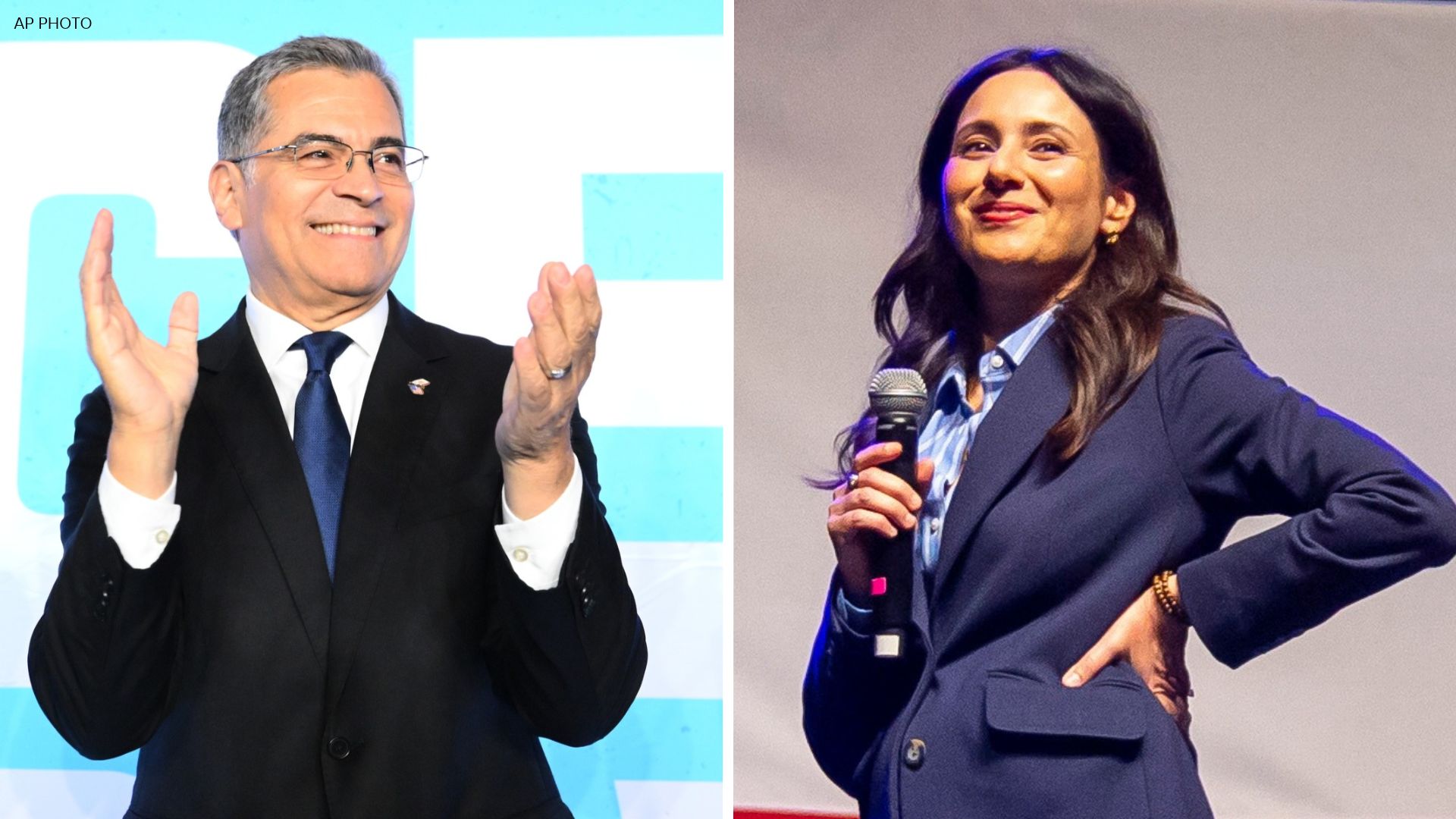
On a brisk November evening, the streets of Chicago were alive with energy as families gathered to celebrate the electoral victories that would shape their community’s future. Among them was Maria Gonzalez, a lifelong resident who proudly cast her vote alongside her three children, instilling in them the importance of civic engagement. "This is our time to be heard," she said, her voice filled with hope and determination. Indeed, the 2026 midterm elections marked a significant turning point, with Latino voters making history by achieving the highest turnout ever recorded, influencing key races across the nation.
In a remarkable display of political engagement, millions of Latino voters turned out for the midterm elections, fundamentally shaping the outcomes of crucial races in states like California and Texas. According to Janet Murguía, president and CEO of UnidosUS, this election saw the largest participation of Latino voters in a midterm election to date. Their collective voice not only echoed through the ballot boxes but also resonated in the halls of power, leading to the election of Latino governors in the two largest states in the country.
Democrat Xavier Becerra emerged victorious in California, defeating Republican Steve Hilton. His win represents a continuation of Latino leadership in a state where diversity is a hallmark of its identity. Meanwhile, in Texas, Gina Hinojosa made history as the first Latina governor, overcoming the Republican incumbent Greg Abbott. Hinojosa's victory is particularly significant, as it marks the first time in over three decades that a Democrat has held the governor's office in Texas.
These historic wins underscore the growing political influence of Latino voters, who are increasingly becoming a formidable force in shaping the political landscape. Christian Arana of the Latino Community Foundation emphasized that the issues driving this turnout were deeply personal and impactful, particularly the economy and immigration policies that directly affect their communities.
The 2026 midterm elections were not just about casting votes; they were a powerful expression of the concerns and aspirations of Latino families. High gas prices, rising grocery costs, and stringent immigration enforcement policies motivated many to make their voices heard. As Arana noted, "We showed up, and we made it very clear that we are upset about the economy. We're upset about how our immigration policies are treating our community." This sentiment was echoed by many voters who felt the weight of these issues in their daily lives.
Political analysts have pointed out that Latino voters are often less tied to major political parties, allowing them to act as swing voters. Mike Madrid, a political analyst, remarked, "We are really the last true swing voters in American politics." This independence from party affiliation gives Latino voters unique leverage in elections, compelling candidates to address their specific concerns rather than relying on party loyalty.
As we look ahead to the next presidential election in 2028, the importance of engaging with Latino voters cannot be overstated. Analysts predict that their influence will only grow, making it essential for candidates to understand and address the issues that matter most to this demographic.
The impact of this election extends far beyond the results themselves; it reflects the evolving identity of Latino communities across the nation. The surge in voter turnout signifies a collective awakening among Latino voters, who are increasingly recognizing their power to effect change. This newfound political engagement fosters a sense of belonging and empowerment, particularly for younger generations.
In Chicago, community organizations are rallying to build on this momentum. Local leaders are working tirelessly to ensure that the voices of Latino families continue to be heard in future elections. Programs aimed at educating voters about their rights and the electoral process are being implemented, creating a more informed electorate ready to tackle the challenges ahead.
Moreover, the election of leaders like Hinojosa and Becerra inspires hope among Latino families, showcasing the potential for representation at the highest levels of government. Their victories serve as a reminder that hard work, commitment, and community solidarity can lead to meaningful change.
Community members, like Maria Gonzalez, are not just celebrating their victories; they are also sharing their stories of struggle and resilience. Many families in Chicago have faced economic hardships exacerbated by the pandemic, and they see these elections as a chance to advocate for policies that address their needs. Gonzalez's neighbor, Carlos Ramirez, shared his own experience: "We have fought for our rights for so long, and now we finally have leaders who understand our struggles. It's time for our voices to be heard in the decisions that affect our lives."
Local organizations, such as the Chicago Latino Coalition, have been instrumental in mobilizing voters and providing resources for those who may feel disenfranchised. Their efforts include organizing community forums where residents can discuss their concerns and hear from candidates directly, ensuring that the political process is more accessible and inclusive.
As the dust settles from the 2026 midterm elections, the road ahead is paved with both challenges and opportunities for Latino communities. The significance of this election cannot be understated; it marks the beginning of a new chapter in political engagement. With the largest Congressional Hispanic Caucus in history anticipated, Latino voices are poised to play a crucial role in shaping legislation that directly impacts their lives.
Community leaders are already strategizing for the next election cycle, recognizing the importance of maintaining the momentum gained in 2026. Building coalitions and fostering alliances with other marginalized groups can amplify their collective voice, ensuring that their concerns are addressed in the political arena. Organizations like UnidosUS are at the forefront of these efforts, providing resources and support to empower Latino voters.
As we look ahead to 2028, it is clear that the Latino vote will be a decisive factor in determining the outcome of the presidential race. Candidates who wish to succeed must prioritize building relationships with Latino communities, listening to their needs, and advocating for policies that promote family stability, economic opportunity, and social justice.
The 2026 midterm elections have set a powerful precedent, demonstrating that when Latino voters unite, they can reshape the political landscape. As Maria Gonzalez said, "Together, we can make a difference for our families and our future." It is this spirit of unity and determination that will continue to drive Latino communities forward in the years to come.
By Mark Thompson

By Keisha Patel

By Mark Thompson

By Keisha Patel